
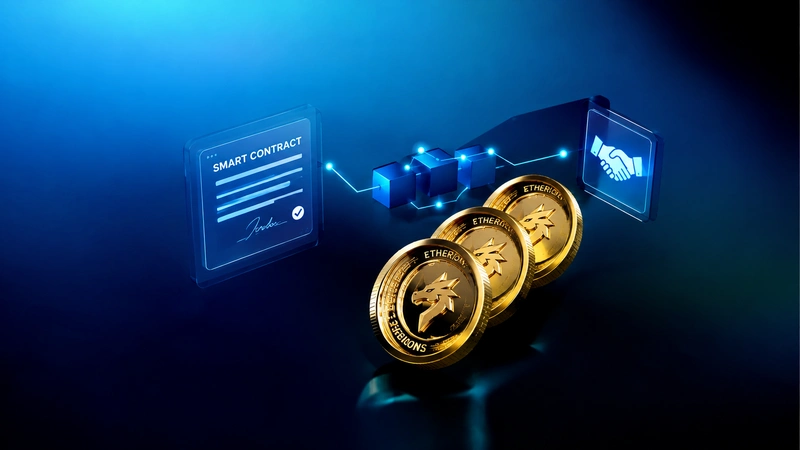
Blockchain technology is changing how digital assets are created, managed, and exchanged. From cryptocurrency transactions to non-fungible tokens (NFTs) and decentralized gaming, smart contracts have become an important part of modern digital ecosystems. They allow applications to execute predefined instructions automatically, reducing the need for manual processes and traditional intermediaries. One topic that brings these concepts together is etherions core smart contracts embedded, which explores the relationship between Etherions, blockchain infrastructure, and automated digital interactions.
Smart contracts can support a variety of activities, including transferring tokens, managing digital collectibles, processing marketplace transactions, and applying game rules. When incorporated into a blockchain-based ecosystem, these programs can help create transparent and consistent interactions between users.
Etherions is associated with the concept of unique digital creatures represented as NFTs. These assets may be collected, traded, trained, bred, or used in interactive gaming environments, depending on the platform’s actual functionality. Understanding how smart contracts could support these activities helps readers explore the possibilities of blockchain gaming while recognizing the importance of technical verification.
What Are Etherions Core Smart Contracts Embedded?
The phrase etherions core smart contracts embedded describes the idea of integrating automated blockchain programs into the core functions of an Etherions digital ecosystem. Smart contracts are programs deployed on compatible blockchain networks that execute instructions when their specified conditions are met.
For example, a smart contract could define how an NFT changes ownership after a marketplace purchase. It could also enforce transaction rules, manage token transfers, or record specific interactions involving digital collectibles.
In an Etherions-style gaming environment, these programs could support asset ownership, marketplace activity, and selected game mechanics. However, the exact capabilities depend on the contracts that developers actually create and deploy. The phrase itself does not establish that a particular implementation exists or that its functionality has been independently verified.
The main idea is to make important digital interactions follow transparent, predetermined rules. When correctly designed and implemented, smart contracts can reduce reliance on manual administration and make blockchain transactions easier to verify.
Understanding Smart Contracts in Blockchain Technology
Smart contracts are an essential component of many blockchain applications. They contain instructions that determine how particular operations should work. Once deployed to a compatible blockchain, a contract can process transactions according to its programmed logic.
Unlike a traditional agreement that may require someone to perform each step manually, a smart contract can automatically execute supported actions when the required conditions are satisfied.
Consider an NFT marketplace. A buyer selects a digital collectible and submits a purchase transaction. A properly designed marketplace contract can check the transaction requirements, process the payment, and transfer the NFT to the buyer’s wallet. The blockchain records the resulting transaction.
This automation can improve consistency and reduce some administrative work. However, smart contracts are not automatically secure or error-free. Poorly written code, incorrect permissions, and unexpected interactions can create vulnerabilities.
For an Etherions-based application, developers would need to establish which operations are handled by smart contracts and which remain controlled by a game server or another centralized system.
How Smart Contracts Could Support Etherions NFTs
Non-fungible tokens represent distinct digital assets on a blockchain. Each NFT has identifying information that distinguishes it from other tokens under the relevant contract’s rules.
In an Etherions ecosystem, NFTs could represent digital creatures with individual characteristics, rarity levels, or other collectible attributes. Smart contracts may manage ownership records and allow supported transfers between compatible wallets.
The concept of etherions core smart contracts embedded is particularly relevant to digital ownership because blockchain programs can establish rules for creating, transferring, and interacting with these assets.
For instance, an NFT contract could prevent a token from being transferred without a valid transaction. A marketplace contract could define how a seller lists an asset and how a completed purchase is recorded.
Nevertheless, owning an NFT does not automatically guarantee unrestricted use of the associated artwork, access to a game, or compatibility with other platforms. Those rights depend on the project’s terms, technical design, and supported integrations.
Users should also distinguish between information stored directly on a blockchain and information hosted elsewhere. Some NFTs depend on external servers or metadata services for images, descriptions, and additional features.
The Role of Smart Contracts in Blockchain Gaming
Blockchain gaming combines interactive entertainment with digital assets and cryptocurrency-related features. Smart contracts can provide the rules for selected in-game transactions, allowing supported activities to be recorded and processed on a blockchain.
In a game featuring Etherions, possible applications include buying digital creatures, transferring collectibles, managing marketplace payments, and recording ownership changes.
Breeding mechanics could also involve smart contracts if the game is designed to create new digital assets according to predetermined rules. Such a system might check whether the required assets are available and whether the conditions for producing a new creature have been satisfied.
Battle systems are another possible application. Developers could use contracts to enforce selected rules or distribute rewards. However, complex gameplay often requires rapid calculations that may be better handled off-chain, with only important results recorded on the blockchain.
The final design depends on performance requirements, security considerations, transaction costs, and the game’s architecture. Not every activity needs to take place directly on a blockchain.
EFC Tokens and Automated Transactions
Cryptocurrency tokens can provide the financial infrastructure for blockchain applications. In the Etherions Faston Crypto concept described in project materials, EFC is presented as the ecosystem’s native token.
A token may be used for marketplace purchases, transaction fees, staking, and other supported functions. Smart contracts can automate certain token operations according to their programmed rules.
For example, a contract may transfer tokens after a valid purchase or distribute staking rewards according to defined conditions. The contract must be correctly configured to handle balances, permissions, and transaction validation.
The connection between etherions core smart contracts embedded and token utility lies in the ability to automate supported digital interactions. However, a proposed token use should not be confused with an operational feature. Users should verify the official token address, deployed contract code, transaction history, and documentation before interacting with any token claiming to belong to the ecosystem.
Token prices can also fluctuate substantially. Automated functionality does not guarantee market demand, financial returns, or long-term token value.
Security and Transparency Considerations
Security is one of the most important aspects of smart contract development. A contract may handle valuable tokens or digital assets, making vulnerabilities costly for users.
Developers should use established coding practices, test their applications thoroughly, and arrange independent security reviews when appropriate. Testing should cover ordinary transactions, unusual inputs, access permissions, and possible interactions between different contracts.
A security audit can help identify weaknesses, but it does not guarantee that a system is completely safe. Contracts may also change through upgrades, introducing additional risks if upgrade permissions are not properly managed.
Users researching etherions core smart contracts embedded should look for verifiable evidence of implementation rather than relying exclusively on promotional claims.
Useful checks include:
- An official blockchain network and verified contract addresses.
- Public transaction records on a relevant blockchain explorer.
- Technical documentation explaining contract functions.
- Independent audit reports that identify the contracts examined.
- Clear information about administrators and upgrade permissions.
- Evidence that the advertised application works as described.
These checks can help distinguish a functioning blockchain application from a concept that has not yet been demonstrated publicly.
Benefits for Developers and Digital Collectors
Smart contracts offer several potential benefits when implemented carefully. They can automate routine transactions, maintain consistent rules, and create records that users can independently inspect on a supported blockchain.
For developers, reusable contracts may simplify the creation of marketplaces, token systems, and digital collectible applications. Compatibility with established blockchain development tools can also reduce the work required to build certain applications.
For collectors, blockchain-based ownership records can make it easier to verify the current holder of a token and review its transaction history. Marketplace contracts can also provide a consistent process for completing supported purchases.
In a gaming ecosystem, these capabilities may help connect collecting, trading, and interactive activities.
However, the actual benefits depend on implementation quality, network reliability, user experience, and adoption. High transaction costs, poor documentation, limited liquidity, or complicated wallet procedures can reduce the usefulness of an otherwise promising concept.
Challenges and Future Possibilities
Embedding smart contracts into a digital ecosystem creates technical and practical challenges. Blockchain transactions may be difficult to reverse, so mistakes can have lasting consequences. Network congestion can also affect transaction costs and confirmation times.
Scalability is another consideration. Games often require frequent interactions, while public blockchain networks must balance performance, security, and decentralization. Developers may therefore use a combination of on-chain contracts and off-chain systems.
Future improvements could include more efficient transaction processing, improved wallet interfaces, carefully designed cross-chain integrations, and stronger monitoring tools. These developments may help make blockchain applications easier to use.
The phrase etherions core smart contracts embedded reflects a broader interest in integrating programmable blockchain functionality with digital ownership and gaming. Whether a specific Etherions implementation achieves these goals depends on publicly verifiable development, real-world performance, and sustained user adoption.
Anyone exploring this area should evaluate current evidence rather than assuming that proposed features are already available.
Frequently Asked Questions
What does etherions core smart contracts embedded mean?
It refers to the concept of integrating smart contracts into the core functions of an Etherions-related blockchain ecosystem. These contracts could automate supported activities involving NFTs, tokens, ownership, and digital transactions.
How do smart contracts work?
Smart contracts are blockchain programs that execute predefined instructions when their conditions are met. Their behavior depends on the code, network, and permissions established by developers.
Can smart contracts manage Etherions NFTs?
They could manage supported NFT operations, such as ownership transfers, marketplace sales, and certain asset-creation rules. The available features depend on the actual deployed contracts.
Are embedded smart contracts completely secure?
No. Smart contracts can contain programming errors or security weaknesses. Independent audits, thorough testing, verified code, and careful permission management can reduce risks but cannot eliminate them entirely.
How can users verify a blockchain project?
Users should examine official documentation, verified contract addresses, blockchain explorer records, audit reports, and evidence of working applications before connecting a wallet or transferring funds.
Conclusion
Smart contracts provide a powerful foundation for applications that combine cryptocurrency, NFTs, and digital gaming. They can automate transactions, enforce predefined rules, and maintain publicly verifiable records on compatible blockchain networks.
The concept of etherions core smart contracts embedded highlights how this technology could support digital creatures, NFT marketplaces, token transactions, and selected gaming mechanics within an Etherions-related ecosystem.
Nevertheless, potential functionality must be supported by real implementation. Verified contract addresses, transparent documentation, secure development practices, and evidence of working features are essential when evaluating any blockchain project.
For developers, collectors, and cryptocurrency enthusiasts, learning how smart contracts work is a useful starting point for understanding digital ownership. Careful research and security awareness remain important for anyone considering participation in an emerging blockchain ecosystem. Click here see more details.