
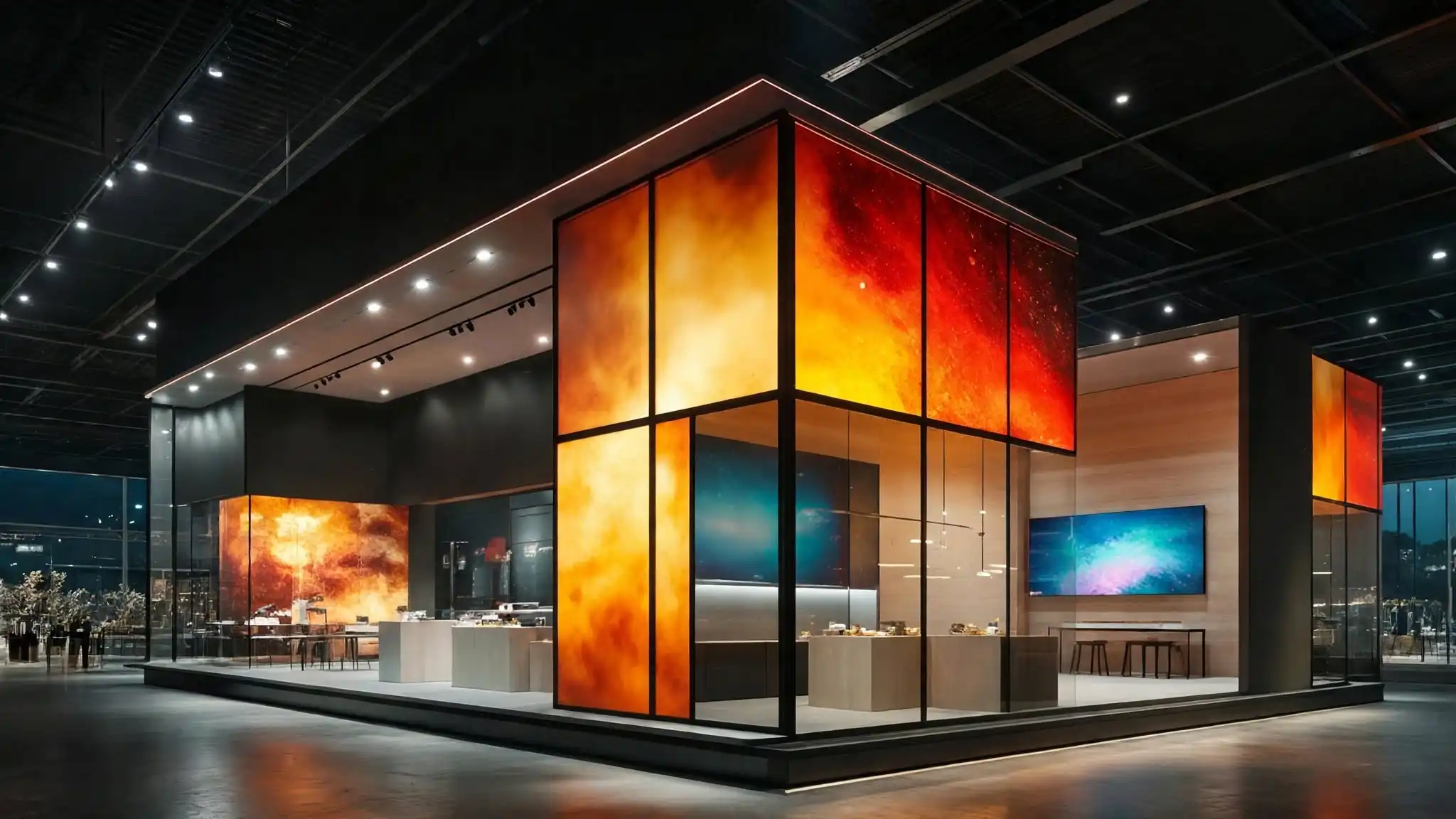
Germany is an important destination for international trade fairs, business exhibitions, and industry conferences. Events held in cities such as Munich, Frankfurt, Berlin, Düsseldorf, and Cologne bring together businesses, professionals, and potential customers from different markets. For exhibitors, participating in these events requires careful preparation, particularly when planning an exhibition stand that presents products, communicates information, and supports business discussions.
An exhibition stand is more than a display area. Its layout, lighting, graphics, materials, and interactive features influence how visitors experience a brand. Understanding the planning and construction process helps businesses make informed decisions and prepare effectively for exhibitions of different sizes.
The Role of Exhibition Stands at Trade Fairs
Exhibition stands provide a dedicated space for businesses to introduce products, explain services, demonstrate technologies, and interact with visitors. A well-organised stand makes information easier to understand and encourages meaningful conversations.
The design should reflect the purpose of participation. A company launching a new product may require demonstration counters and display screens, while a business focused on networking may need comfortable meeting areas. Industrial exhibitors might prioritise equipment displays, technical specifications, and accessible product samples.
Clear messaging is equally important. Visitors often have limited time to explore an exhibition, so understandable graphics, readable text, and logical product placement can make the experience more effective.
Important Stages of Exhibition Stand Planning
1. Defining Exhibition Objectives
Planning begins with identifying the main purpose of participation. Businesses should determine whether they want to generate enquiries, demonstrate products, introduce a new service, strengthen professional relationships, or improve market awareness.
These objectives influence the stand’s dimensions, layout, furniture, technology, and overall design. Establishing priorities early also helps businesses allocate their budgets appropriately.
2. Selecting a Suitable Design
The design should balance visual presentation with practical requirements. Open entrances can make a stand more accessible, while clearly defined sections help visitors understand different products or services.
Three-dimensional visualisations allow exhibitors to review the proposed layout before production begins. They can assess visitor movement, display positions, branding placement, lighting, and meeting spaces before approving the final design.
3. Choosing Materials and Technology
Materials affect durability, appearance, transportation, and construction time. Wood, aluminium systems, fabric graphics, glass, and reusable structural components may be suitable depending on the project’s requirements.
Technology can include digital screens, interactive presentations, product demonstrations, and integrated lighting. These features should serve a clear purpose rather than overcrowd the exhibition space.
Understanding the German Exhibition Stand Industry
Businesses researching an exhibition stand company in Germany should consider several practical factors, including experience with relevant venues, construction capabilities, project coordination, and familiarity with exhibition regulations.
Germany’s major exhibition centres have individual technical requirements, installation schedules, access procedures, and safety standards. Exhibitors should confirm these details with the event organiser and ensure that their stand plans meet the applicable specifications.
A useful starting point is to review the services and project processes described by an exhibition stand company in Germany. When comparing providers, businesses should examine previous projects, the proposed scope of work, material specifications, communication procedures, and the arrangements for transportation and on-site installation.
Written quotations should clearly distinguish design, fabrication, graphics, furniture, electrical work, delivery, installation, dismantling, and storage costs. Comparing equivalent services makes it easier to evaluate proposals and avoid unexpected expenses.
Custom and Modular Exhibition Stand Solutions
Custom exhibition stands are designed around specific business objectives, product requirements, and available floor space. They can incorporate distinctive structures, tailored graphics, specialist lighting, and dedicated demonstration or meeting areas. However, custom projects may require more detailed planning, fabrication time, and investment.
Modular stands use reusable components that can be rearranged for different exhibition spaces. They are often suitable for businesses attending several events throughout the year because components can be adapted, transported, and reused.
The choice depends on the exhibition schedule, budget, storage facilities, branding requirements, and expected frequency of use. In some cases, a hybrid approach combines modular structures with customised graphics and selected design elements.
Sustainability and Efficient Resource Management
Sustainability has become an important consideration in exhibition planning. Reusable structural systems, recyclable materials, energy-efficient lighting, and durable graphics can help reduce waste.
Transport planning also matters. Packaging components efficiently and coordinating deliveries can reduce unnecessary journeys and protect materials during transit. Businesses should ask about the availability of storage, repair, refurbishment, and reuse options after an event.
Sustainable choices should be assessed alongside safety, durability, appearance, and overall cost. Selecting appropriate materials from the beginning can make future exhibitions easier to organise.
Frequently Asked Questions
1. How early should an exhibition stand be planned?
Planning should begin several months before the event whenever possible. Complex custom stands may require additional time for design approval, technical documentation, fabrication, and logistics. The organiser’s deadlines should guide the schedule.
2. What information is needed before requesting a quotation?
Businesses should provide the exhibition name, venue, stand dimensions, objectives, preferred design style, budget range, product requirements, and installation dates. Existing brand guidelines and technical requirements are also useful.
3. What is the difference between custom and modular stands?
Custom stands are designed for particular requirements and may offer greater design flexibility. Modular stands use reusable components that can be reconfigured for different events, potentially reducing costs over repeated use.
4. Which factors affect exhibition stand construction costs?
Costs depend on stand size, structural complexity, materials, graphics, lighting, technology, furniture, transport, installation, dismantling, and storage. Venue requirements and tight deadlines can also influence the final budget.
5. Why are venue regulations important?
Venue regulations establish requirements for structural safety, fire protection, accessibility, electrical installations, stand height, and installation procedures. Checking these requirements early helps prevent design changes and delays.
Preparing for Exhibition Stand Construction in Munich
Munich hosts trade fairs and professional events across multiple industries, making local venue requirements and project scheduling important considerations. Exhibitors should confirm their allocated floor space, technical guidelines, access times, delivery arrangements, and deadlines before construction begins.
Businesses seeking further information about local planning and construction considerations can explore Exhibition Stand Construction in Munich. Reviewing location-specific requirements can help exhibitors understand the practical steps involved in preparing a stand for a Munich event.
Before approving a project, businesses should establish clear responsibilities for design revisions, technical submissions, transportation, installation, on-site support, and dismantling. A documented schedule and agreed deliverables help all parties coordinate their work effectively.
Conclusion
Successful exhibition stand planning combines clear objectives, functional design, appropriate materials, realistic budgeting, and careful logistics. Businesses exhibiting in Germany should evaluate their requirements early, compare service scopes carefully, and confirm compliance with the relevant venue regulations.
Whether choosing a custom structure or a reusable modular system, the priority should be creating an accessible, informative, and practical exhibition environment. Thorough preparation helps reduce avoidable complications and allows exhibitors to focus on presenting their products, sharing knowledge, and developing professional relationships. Click here see more details.