

The cryptocurrency industry has become an important part of modern financial technology. Digital currencies, blockchain networks, decentralized applications, and online payment systems have changed how people discuss digital ownership and financial innovation. As this industry develops, understanding how cryptocurrency works has become increasingly important.
A cryptocurrency investing guide etrstrading can help readers explore the technology, terminology, market structure, and risks associated with digital assets. However, learning about cryptocurrency should begin with education rather than assumptions about profits. Digital currencies can experience significant price changes, and no market prediction can guarantee a particular result.
This article explains the fundamentals of cryptocurrency, blockchain technology, digital wallets, market volatility, security, regulations, and responsible research. It is designed to help readers understand the subject without encouraging risky financial decisions.
1. What Is Cryptocurrency?
Cryptocurrency is a type of digital asset that uses cryptographic technology to secure transactions and manage information. Many cryptocurrencies operate through blockchain networks, which maintain transaction records across distributed computer systems.
Unlike traditional currencies issued by central banks, decentralized cryptocurrencies can operate without a single central authority controlling the entire network.
Some well-known examples include:
-
Bitcoin: A decentralized digital currency introduced in 2009.
-
Ethereum: A blockchain platform that supports smart contracts and decentralized applications.
-
Litecoin: A cryptocurrency designed as an alternative digital payment network.
-
Stablecoins: Digital assets designed to maintain a value connected to another asset, often a national currency.
Each digital asset has different technical characteristics and purposes. Understanding these differences is important before forming opinions about any cryptocurrency project.
2. Understanding Blockchain Technology
 Blockchain is one of the main technologies behind cryptocurrency. It works as a distributed digital record system in which information is organized into connected blocks.
Participating computers follow network rules to verify transactions and maintain records. Cryptographic methods help protect the integrity of this information.
Important blockchain features include:
-
Decentralization: Some networks distribute recordkeeping across multiple participants.
-
Transparency: Public blockchains allow people to inspect many transaction records.
-
Verification: Network rules help confirm whether transactions are valid.
-
Data integrity: Cryptographic methods make unauthorized changes easier to detect.
-
Smart contracts: Certain networks support programs that execute predefined instructions.
Blockchain technology is also explored in supply chain management, digital identity, business records, and other technology applications.
However, blockchain does not automatically make every project reliable. Software errors, weak security, and poor project management can still create serious problems.
3. How Cryptocurrency Markets Work
Cryptocurrency markets are digital environments where different participants exchange digital assets. These markets operate through exchanges and other platforms that support cryptocurrency transactions.
Prices can change because of several factors, including:
Supply and demand: The number of people interested in buying or selling an asset can influence its market price.
Market sentiment: Public announcements, online discussions, and changing expectations may affect how people view a cryptocurrency.
Technology developments: Network upgrades, software improvements, and security incidents can influence public interest.
Government regulations: New rules or official announcements may affect how digital asset services operate.
Economic conditions: Broader economic developments can influence interest in different financial and technology markets.
These factors do not always produce predictable results. Cryptocurrency prices can move rapidly, and explanations for market changes are not always certain.
4. Bitcoin and Ethereum: Two Important Digital Assets
ETH vs BTC: Bitcoin Miner Jiang Zhuoer Sees Ethereum Leading This Crypto Cycle

Bitcoin
Bitcoin was introduced as a decentraliz
ed digital currency. Its network records transactions through a distributed blockchain system.
Bitcoin is frequently discussed in relation to digital payments, decentralized networks, transaction verification, and the wider development of digital assets.
Ethereum
Ethereum is a blockchain platform that supports smart contracts and decentralized applications. Its technology allows developers to build services that operate through programmable instructions.
Ethereum-related developments often involve network upgrades, application development, transaction fees, and improvements to blockchain infrastructure.
Understanding these differences helps readers recognize that cryptocurrency is not a single technology or financial product. Different networks have different designs, limitations, and use cases.
5. Understanding Cryptocurrency Market Risks
Risk awareness is one of the most important parts of cryptocurrency education. Digital asset markets can be unpredictable, and their prices may change significantly within short periods.
Several risks deserve attention.
Market Volatility
Cryptocurrency prices can rise or fall quickly. Changes in demand, public announcements, regulations, and economic conditions may contribute to market movements.
Technology Risk
Blockchain applications depend on software and digital infrastructure. Programming errors, network interruptions, and security weaknesses can affect their operation.
Security Risk
Online scams, phishing websites, compromised accounts, and stolen credentials can expose sensitive information.
Regulatory Risk
Cryptocurrency laws differ between countries. Rules governing exchanges, digital asset businesses, and taxation may also change.
Liquidity Risk
Some digital assets have limited trading activity. This can make transactions more difficult or cause prices to change when larger transactions occur.
A responsible cryptocurrency investing guide etrstrading should explain these risks clearly instead of presenting digital assets as guaranteed opportunities.
6. Digital Wallets and Cryptocurrency Security
Unlocking the Future of Freelancing: Embracing Crypto Payments
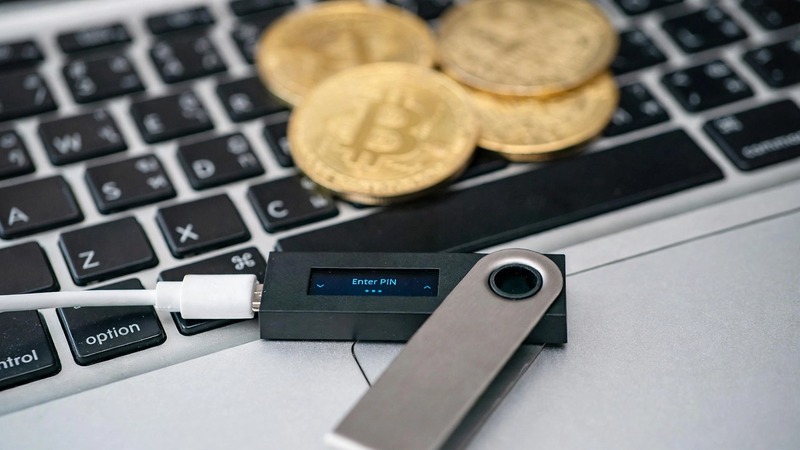
Digital wallets are tools that help people interact with blockchain networks. They manage cryptographic keys associated with digital assets and allow authorized transactions.
There are two broad wallet categories:
Hot wallets: These are connected to the internet through mobile applications, desktop software, or web services. They offer convenient access but may face online security threats.
Cold wallets: These generally keep private keys offline. They can reduce certain internet-based risks, although physical loss or damage remains possible.
Security education should cover several important practices:
-
Keep private keys and recovery phrases confidential.
-
Avoid suspicious links and unexpected messages.
-
Use strong account authentication where available.
-
Verify website addresses before accessing services.
-
Keep relevant software updated.
-
Be careful with unknown applications and browser extensions.
A legitimate service should not ask users to reveal their private recovery phrases through unsolicited messages.
7. The Role of Cryptocurrency Exchanges
Cryptocurrency exchanges are online platforms that support transactions involving digital assets. Their services and operating requirements vary depending on the company and country.
Some platforms provide cryptocurrency trading services, account management, transaction histories, and educational resources.
When researching an exchange, readers should understand:
Platform security: Learn what security and account protection measures the service provides.
Transparency: Review the company’s official documentation and published policies.
Regulatory status: Check whether the service is authorized or registered where required.
Fees: Understand the different charges associated with platform services.
Customer support: Review how the company handles technical problems and account questions.
A platform’s popularity does not automatically prove that it is safe or suitable. Independent research and official documentation remain important.
8. Cryptocurrency Regulations and Legal Awareness
Governments and financial authorities around the world continue to examine cryptocurrency regulations. These rules may cover digital asset exchanges, financial reporting, customer verification, consumer protection, and business licensing.
Regulatory requirements can differ considerably between countries.
For example, a cryptocurrency service that operates under specific requirements in one jurisdiction may face different obligations elsewhere.
Readers should consider the following when researching regulations:
-
Identify the country or jurisdiction involved.
-
Check official government and financial authority publications.
-
Distinguish proposed rules from regulations already in force.
-
Review whether the information is current.
-
Consult qualified professionals for personal legal or tax questions.
Responsible reporting should not present legal information from one country as though it applies worldwide.
9. Artificial Intelligence and Cryptocurrency Technology
Artificial intelligence is another technology increasingly discussed alongside blockchain systems.
AI and blockchain perform different functions. AI processes information and identifies patterns, while blockchain maintains distributed records and supports transaction verification.
Some possible applications include:
-
Organizing large amounts of digital information.
-
Monitoring unusual activity for further investigation.
-
Supporting blockchain software development.
-
Improving customer support systems.
-
Reviewing technical documents and transaction records.
AI tools also have limitations. Their outputs can contain errors, and automated analysis should not be treated as proof of a financial opportunity or a prediction of future prices.
10. How to Research Cryptocurrency Information Responsibly
Reliable research is essential when learning about digital assets. Cryptocurrency websites and social media platforms publish large amounts of information, but not every claim is accurate.
A useful research process includes:
Check original sources: Look for official project announcements, technical documentation, and government publications.
Compare independent reports: Review information from multiple established sources.
Check publication dates: Old articles may contain outdated technical or regulatory details.
Question unrealistic promises: Claims of guaranteed returns or risk-free opportunities should be treated with caution.
Understand the technology: Learn how a cryptocurrency network operates before accepting promotional descriptions.
Separate facts from opinions: A confirmed network upgrade is different from someone’s prediction about future prices.
These practices help make a cryptocurrency investing guide etrstrading more educational, balanced, and useful to readers.
11. The Future of Cryptocurrency and Digital Finance
The cryptocurrency industry continues to develop through changes in blockchain infrastructure, digital payments, cybersecurity, and financial technology.
Several areas may remain important in future research:
-
Blockchain scalability and network performance.
-
Digital identity and verification systems.
-
Stablecoin regulation and payment applications.
-
Smart contract security.
-
Institutional blockchain research.
-
Artificial intelligence and automated data analysis.
-
Consumer protection and digital asset regulation.
However, technological development does not guarantee widespread adoption or financial success. Projects must demonstrate practical value, technical reliability, and responsible operations.
The future of cryptocurrency will depend on how effectively developers, businesses, regulators, and technology users address these challenges.
12. How Etrstrading and Etherions Can Support Digital Education
Cryptocurrency education benefits from clear explanations and reliable information. A technology-focused website such as Etherions.net can explore digital assets through beginner-friendly articles, blockchain explainers, security discussions, and technology updates.
Useful content topics include:
-
Cryptocurrency fundamentals.
-
Bitcoin and Ethereum developments.
-
Blockchain applications.
-
Digital wallet security.
-
Cryptocurrency regulations.
-
Market terminology.
-
Digital payment technologies.
Articles should avoid unsupported claims and clearly identify information that is uncertain or subject to change.
The purpose of educational content should be to help readers understand digital technology, not encourage them to make financial decisions without proper knowledge.
Frequently Asked Questions
1. What is a cryptocurrency investing guide?
It is educational material that explains cryptocurrency fundamentals, blockchain technology, digital assets, market terminology, and potential risks.
2. Is cryptocurrency completely safe?
No. Cryptocurrency systems can face security weaknesses, scams, software problems, market volatility, and regulatory uncertainty.
3. What is the difference between Bitcoin and Ethereum?
Bitcoin primarily operates as a decentralized digital currency, while Ethereum is a blockchain platform that supports smart contracts and decentralized applications.
4. What is a cryptocurrency wallet?
A cryptocurrency wallet is a digital tool that manages cryptographic keys used to access and authorize transactions associated with digital assets.
5. Why is blockchain important?
Blockchain provides a distributed method of recording and verifying information. It supports many cryptocurrency networks and other digital applications.
6. Can cryptocurrency prices be predicted accurately?
No prediction method can guarantee future cryptocurrency prices. Digital asset markets are influenced by many changing factors.
7. Why should people research cryptocurrency regulations?
Rules differ between countries and may change over time. Understanding the applicable requirements helps readers recognize legal and operational considerations.
Conclusion
Cryptocurrency combines digital assets, blockchain technology, software development, and evolving financial systems. Understanding these areas requires careful research and awareness of technical, security, market, and regulatory risks.
A cryptocurrency investing guide etrstrading can provide an educational starting point for readers who want to understand how digital asset systems operate. By focusing on reliable information, clear explanations, and responsible technology research, readers can develop a more balanced understanding of this changing industry. Click here see more details.