
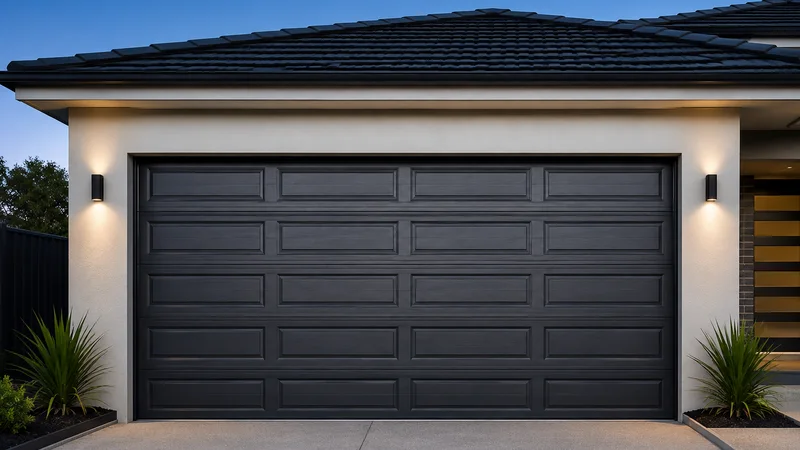
Homes in windy and coastal areas face environmental conditions that can place additional pressure on exterior features, particularly large moving structures such as garage doors.
For homeowners in exposed locations, choosing Wellington garage doors that are designed, installed, and maintained with local conditions in mind can make an important difference to durability, security, insulation, and long-term performance.
Why Coastal Locations Can Be Hard on Garage Doors
Living near the coast offers plenty of advantages, but salt-laden air, strong winds, moisture, and changing weather conditions can be demanding on building materials. Garage doors are particularly exposed because they form a large surface area across the front or side of a property.
Wind can place considerable pressure on the door and its supporting components. Meanwhile, moisture and salt can contribute to corrosion if suitable materials and protective finishes are not used. A well-selected garage door needs to do more than look attractive. It should be appropriate for the environment in which it will operate.
Understanding the Impact of High Winds
Strong winds can affect garage doors in several ways. A closed door effectively creates a broad surface against which wind can push, placing stress on panels, tracks, hinges, springs, rollers, and mounting points.
If a door is not properly designed for local conditions, excessive movement or structural stress can potentially lead to damage.
Wind Resistance Starts With the Door Design
Not every garage door offers the same level of resistance to high winds. Construction quality, panel strength, reinforcement, track configuration, and installation all influence how effectively a door handles pressure.
Homeowners in exposed areas should discuss local wind conditions with a qualified garage door professional before choosing a system.
Coastal Air and Corrosion
Salt in coastal air can accelerate corrosion on susceptible metal components. Over time, exposure can affect springs, hinges, brackets, fasteners, tracks, and other hardware.
This does not mean that metal garage doors are unsuitable for coastal homes. Instead, material selection and protective finishes become particularly important.
Choosing Materials Carefully
Some materials and coatings are better suited to damp or salty environments than others. Galvanised or corrosion-resistant components can provide additional protection, while appropriate surface treatments can help preserve the appearance and performance of the door.
It is worth asking about the corrosion resistance of both the visible door panels and the smaller mechanical components that are exposed to the environment.
Moisture Creates Another Challenge
Coastal properties can experience persistent humidity, rain, and moisture. If water enters areas where it should not, it can contribute to rust, deterioration, or mechanical problems.
Good installation and regular maintenance can help reduce these risks.
Drainage and Installation Matter
The garage door itself is only one part of the overall system. The surrounding opening, threshold, seals, tracks, and drainage arrangements can all affect how effectively moisture is managed.
A professional installation can help ensure that the door operates correctly and that relevant components are positioned appropriately.
Seals Can Help Keep the Weather Outside
Weather seals around a garage door can provide an important barrier against wind, rain, dust, and outdoor debris.
Over time, however, seals can become brittle, cracked, compressed, or damaged.
Inspecting Seals Regularly
Homeowners should periodically check the condition of the seals around their garage door. Gaps or visible deterioration may indicate that replacement is required.
Maintaining these components can improve weather protection while also helping prevent unwanted drafts and moisture from entering the garage.
Stronger Hardware Supports Long-Term Performance
The performance of a garage door depends on many components working together.
Springs help balance the door, rollers allow movement along the tracks, hinges connect the panels, and brackets secure various components to the structure.
High-wind conditions can place additional demands on these parts.
Reinforcement Can Be Important
Depending on the door design and local requirements, additional reinforcement may be appropriate in areas exposed to stronger winds.
Homeowners should avoid assuming that a standard door will automatically provide adequate protection. A professional can assess the property and recommend suitable specifications based on the location and structure.
Automatic Openers Need Attention Too
The garage door opener is another component that deserves consideration in challenging environments.
Moisture, dust, temperature changes, and frequent operation can affect electronic and mechanical equipment over time.
A reliable opener should be correctly matched to the weight and design of the door.
Safety Features Matter
Modern automatic garage doors can include sensors and other safety features designed to reduce the risk of the door closing when an obstruction is detected.
These systems should be kept clean and checked regularly to ensure they continue functioning correctly.
Maintenance Becomes More Important Near the Coast
A garage door exposed to coastal conditions may require more frequent attention than one located in a sheltered inland environment.
Regular inspections can help identify early signs of corrosion, loose hardware, worn rollers, damaged seals, or unusual operation.
Look for Early Warning Signs
Homeowners should pay attention to changes such as:
- unusual grinding or rattling noises
- slow or uneven movement
- visible rust or corrosion
- loose brackets or fasteners
- damaged weather seals
- gaps around the closed door
- difficulty opening or closing
These symptoms do not necessarily mean the entire system needs replacing. Addressing smaller problems early may help prevent more significant failures.
Cleaning Can Help Protect Coastal Garage Doors
Salt deposits can accumulate on exterior surfaces and hardware, particularly in properties close to the ocean.
Regular cleaning can help remove salt and other contaminants before they have a chance to contribute to deterioration.
Follow the Manufacturer’s Guidance
Different garage door materials require different cleaning methods. Using harsh chemicals or unsuitable tools could damage protective coatings.
Homeowners should follow the manufacturer’s maintenance recommendations and ask a professional if they are unsure how a particular surface or component should be treated.
Installation Is Just as Important as the Product
Even a high-quality garage door can perform poorly if it is incorrectly installed.
The tracks need to be properly aligned, hardware needs to be securely fixed, and the door needs to operate smoothly.
In high-wind areas, correct installation can be particularly important because structural forces may be greater than those experienced in sheltered locations.
Consider the Whole Garage Opening
Wind resistance is not determined solely by the door panel. The surrounding structure, framing, fixings, tracks, and mounting points all contribute to the overall performance of the installation.
This is why professional assessment can be valuable when selecting a garage door for an exposed property.
Balancing Durability With Appearance
Homeowners do not necessarily need to sacrifice style to achieve better weather resistance.
Modern garage doors are available in a wide variety of colours, finishes, panel configurations, and materials.
A strong and appropriately specified door can complement the property’s exterior while also addressing practical environmental demands.
When Should a Coastal Garage Door Be Replaced?
Repair may be sufficient when individual components are worn or damaged. However, replacement can make more sense when corrosion is extensive, panels have suffered structural damage, or the door repeatedly develops mechanical problems.
An older door may also lack features available in newer systems, such as improved insulation, stronger construction, better sealing, or modern safety technology.
Evaluate More Than Appearance
A garage door can still look acceptable while its internal components are approaching the end of their useful life.
If the door is becoming increasingly difficult to operate or requires frequent repairs, a professional assessment can help determine whether continued maintenance or replacement is the better option.
Building a Garage Door for the Local Environment
High winds and coastal exposure do not automatically make garage doors unreliable. The key is selecting a system appropriate for the environment and maintaining it properly throughout its service life.
Strong construction, corrosion-resistant components, effective weather sealing, correct installation, and regular inspections can all contribute to better performance.
For homeowners in exposed coastal areas, the garage door should be treated as an important part of the property’s weather protection rather than simply an entrance for vehicles. With the right specifications and ongoing care, a quality garage door can remain secure, functional, and attractive even when regularly exposed to demanding wind and coastal conditions. Visit Etherions for more details.